Skip to content

Every shape that meets a fluid

From flight and transport to power generation, we are developing a CFD engine to help engineers explore complex flows. Faster simulations, lower costs and greater detail are the goals guiding our work.

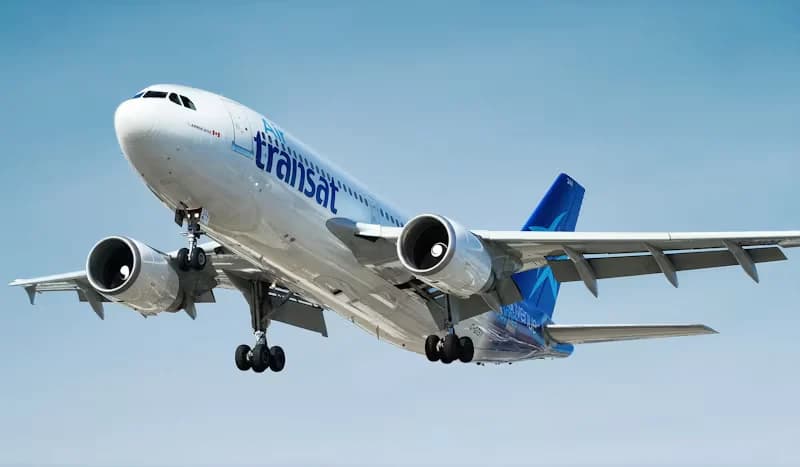
  • Passenger aircraft approaching with its landing gear extended

    Aviation

    A wing must deliver low drag in cruise and enough lift for takeoff and landing. CFD helps engineers evaluate both, but resolving thin boundary layers and flow separation across many flight conditions makes reliable design comparisons computationally demanding.
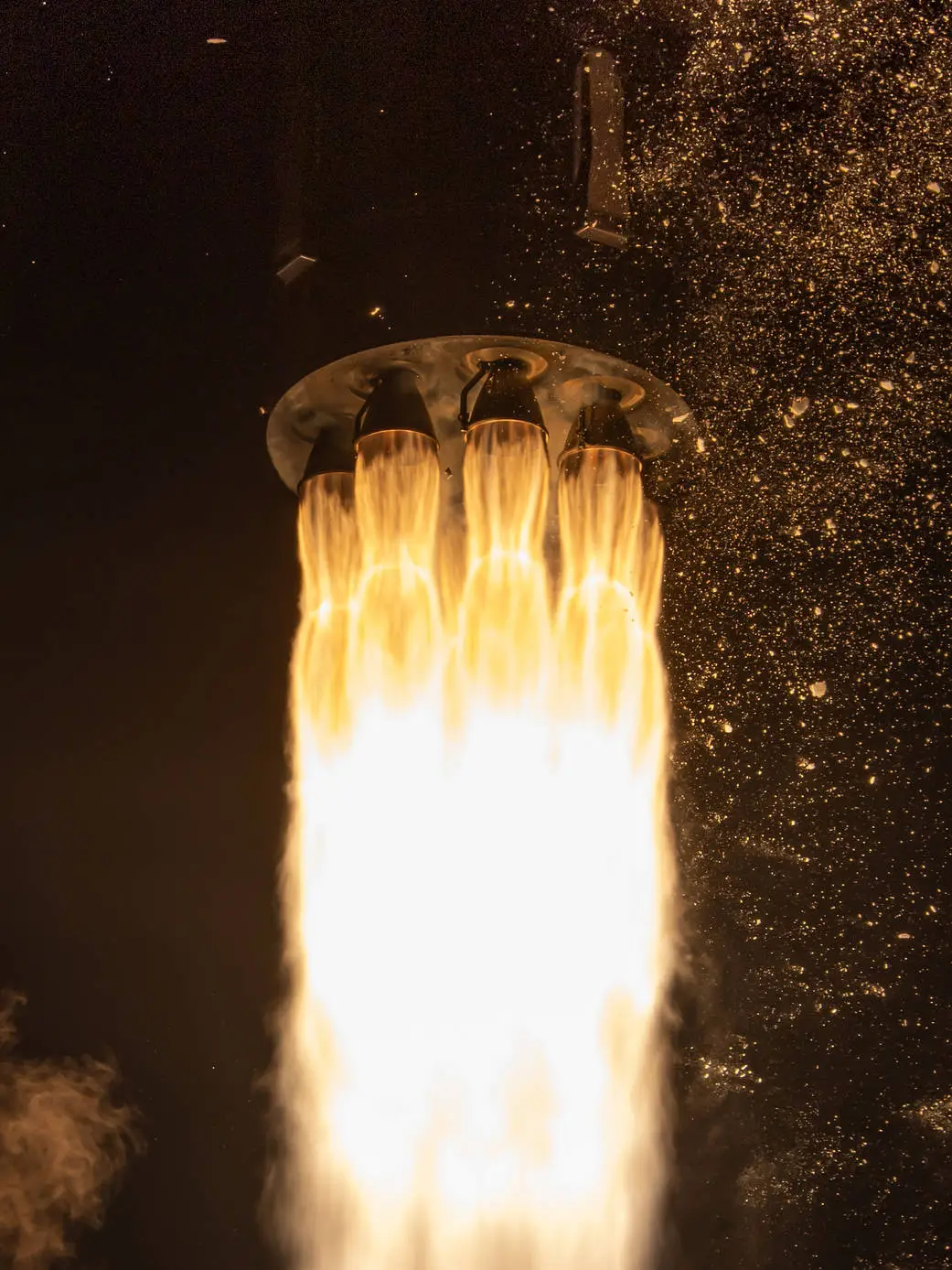
  • Rocket engines firing during a ground test

    Space

    During engine start-up, shocks and flow separation can produce damaging side loads inside a rocket nozzle. CFD helps engineers assess these transient pressures and wall heating, but resolving them requires fine spatial and temporal detail.

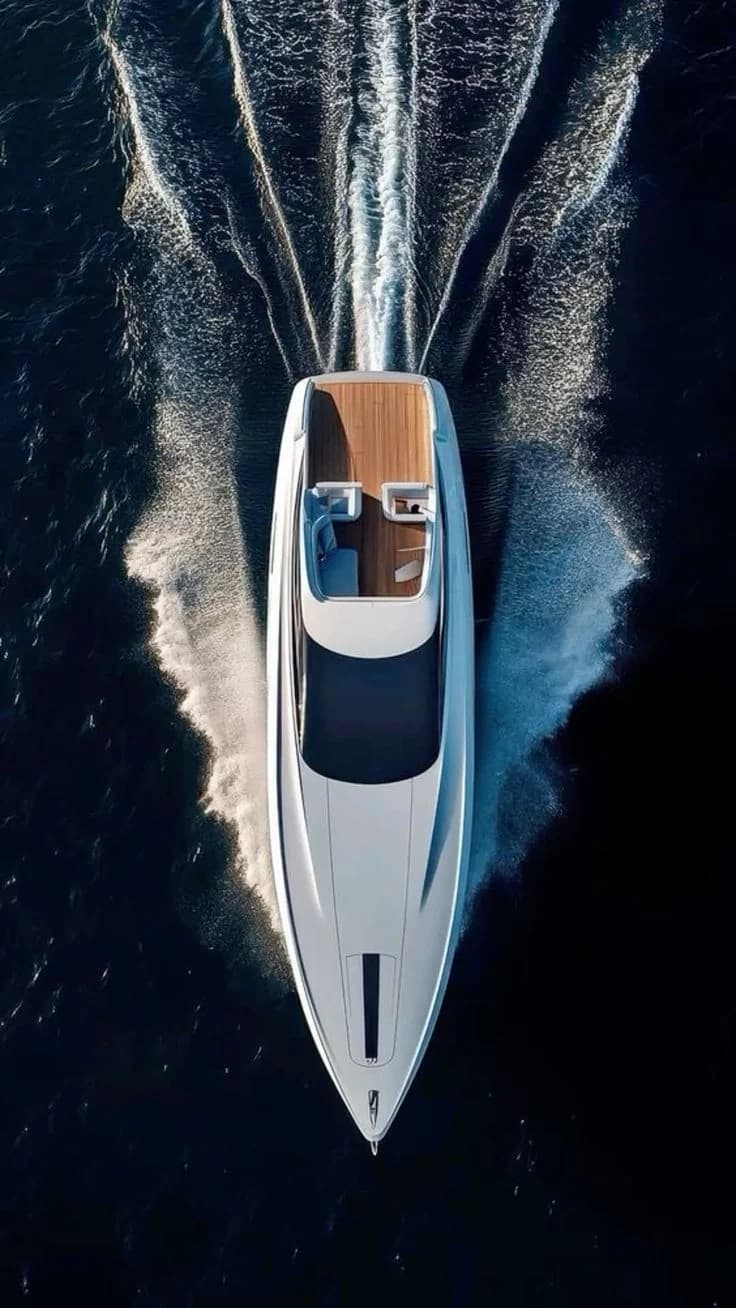
  • Overhead view of a motor yacht and its wake

    Marine

    The wake behind a hull determines how evenly water reaches the propeller, affecting efficiency, cavitation and noise. CFD helps predict these interactions at full scale. The difficulty is resolving ship-scale flow alongside the small, rapidly changing structures around the blades.

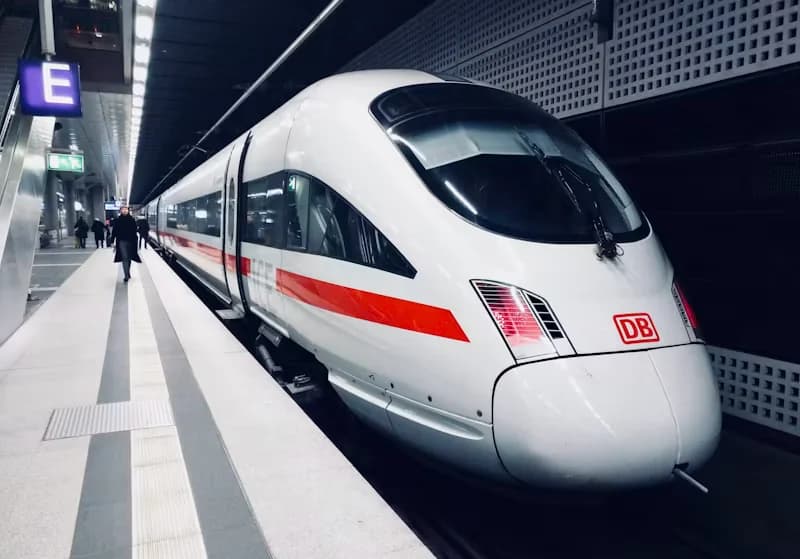
  • High-speed passenger train at a station

    Rail

    Tunnel pressure pulses and crosswinds can set a train’s operating limits. CFD helps engineers assess these loads alongside drag and slipstream effects. Each design must be checked across train speeds, wind directions and tunnel geometries, making the number of cases a bottleneck.

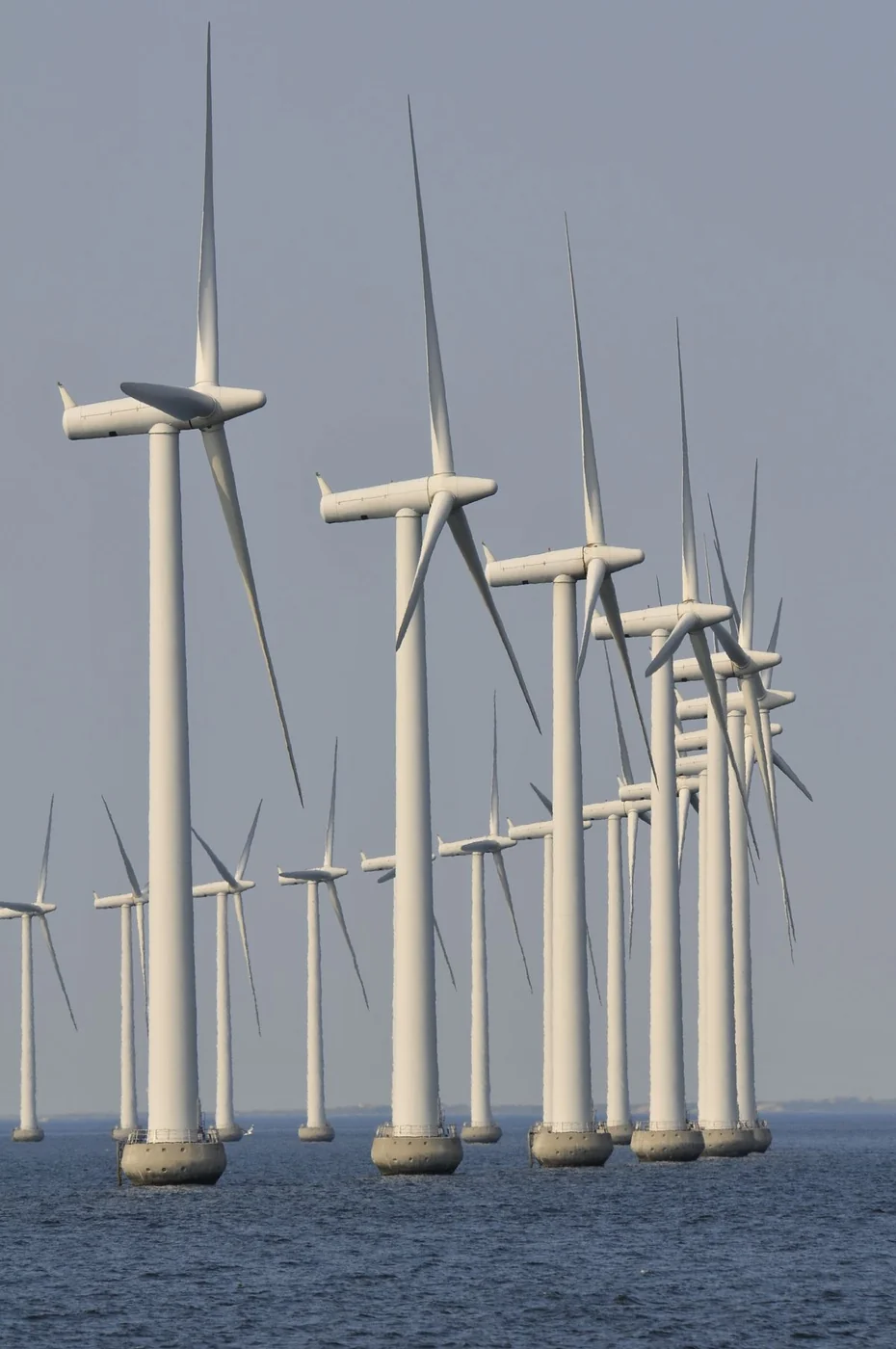
  • Offshore wind turbines above the sea

    Wind energy

    Turbines in a wake receive less energy and more turbulent inflow, reducing power and increasing fatigue loads. CFD helps compare layouts and operating strategies. The challenge is capturing interactions across an entire wind farm without losing the flow detail around individual rotors.

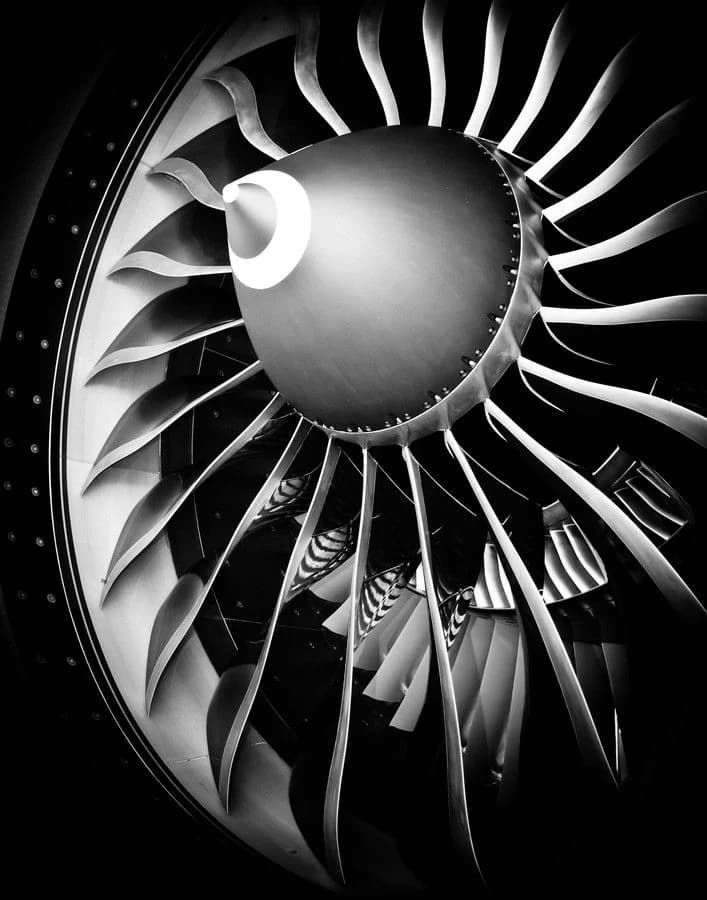
  • Close-up of the fan blades of a jet engine

    Turbomachinery

    Leakage through blade-tip gaps and interactions between blade rows reduce efficiency and create unsteady loads. CFD helps identify these losses across the operating range. The challenge is resolving narrow clearances and rotating flow without making each design iteration prohibitively slow.

See it run on your geometry

Bring an STL that is hard to mesh. We will walk you through the engine and what it can do for your workloads.